Cold Plunge During Menstrual Cycle: Evidence-Based Safety Guide 2026
Complete guide to cold plunge menstrual cycle safety. Learn when cold therapy benefits each phase and critical contraindications for women's hormonal health in 2026.
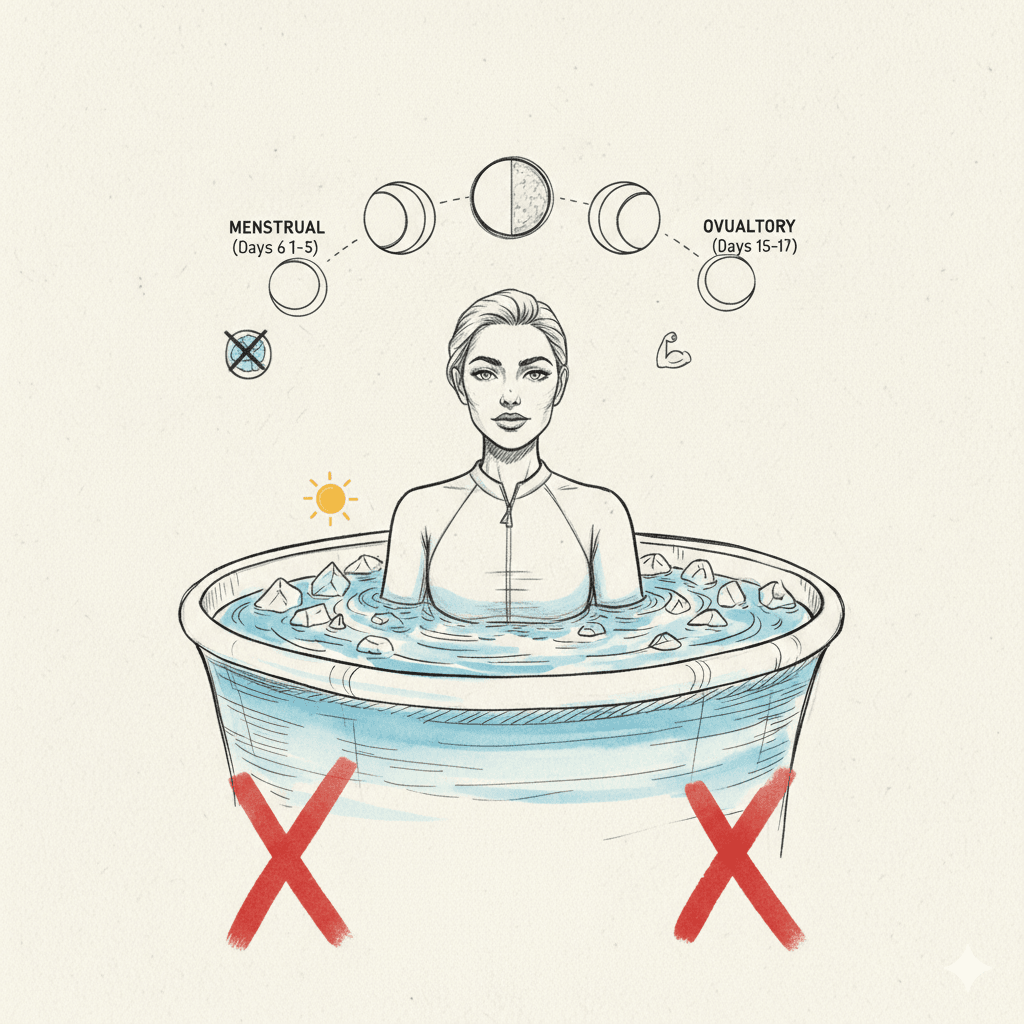
Understanding Your Menstrual Cycle and Cold Tolerance
Should you attempt a cold plunge during period or adjust your ice bath practice based on where you are in your menstrual cycle? The relationship between cold plunge menstrual cycle timing remains one of the most misunderstood aspects of women's wellness in 2026. While social media influencers promote daily ice baths regardless of hormonal status, the scientific literature tells a far more nuanced story. Your body's response to cold immersion changes dramatically across your 28-day cycle, influenced by fluctuating estrogen, progesterone, and prostaglandin levels that directly impact cold tolerance, cardiovascular response, and recovery capacity.
Understanding these hormonal variations isn't just about optimization—it's about safety. Research from the Journal of Applied Physiology demonstrates that women experience up to 30% variation in thermoregulatory response depending on cycle phase. This means a cold plunge protocol that feels invigorating on day 10 might trigger dangerous vasoconstriction on day 25.
The Four Phases of Your Cycle
Your menstrual cycle consists of four distinct phases, each characterized by unique hormonal profiles that directly impact how your body responds to cold stress. The menstrual phase (days 1-5) involves the shedding of your uterine lining, accompanied by low estrogen and progesterone levels. During this time, your body is already managing inflammatory prostaglandins and potential blood loss.
The follicular phase (days 6-14) sees rising estrogen levels as your body prepares for ovulation. This is when most women report feeling energetic, resilient, and capable of handling physiological stressors like cold immersion. Ovulation (days 13-15) represents peak estrogen with a surge in luteinizing hormone, marking the most metabolically active window of your cycle.
The luteal phase (days 16-28) brings elevated progesterone, which raises your baseline body temperature by 0.5-1°F. This seemingly small increase significantly impacts cold tolerance. Many women experience premenstrual symptoms during late luteal phase, including fluid retention, mood changes, and increased pain sensitivity—all factors that complicate cold therapy decisions.
How Hormones Affect Cold Response
Estrogen acts as a vasodilator, improving blood flow and potentially enhancing your ability to maintain core temperature during cold exposure. Studies published in the European Journal of Applied Physiology show that high-estrogen phases correlate with improved cold water tolerance and faster recovery times. This explains why many women feel invincible during follicular phase cold plunges.
Progesterone, conversely, elevates core temperature and may impair thermoregulation during cold stress. Research from 2024 at the University of Copenhagen found that women in high-progesterone luteal phase experienced 23% longer recovery times after cold water immersion compared to their follicular phase baseline. The body essentially works harder to maintain homeostasis when progesterone dominates.
Prostaglandins—hormone-like compounds that trigger uterine contractions during menstruation—add another layer of complexity. High prostaglandin levels correlate with menstrual cramping and systemic inflammation. Cold immersion during heavy prostaglandin activity may either provide analgesic benefits through numbing or exacerbate discomfort through additional physiological stress. The individual variation here is substantial.
Cardiovascular Safety Considerations for Women
• Cardiovascular conditions (arrhythmia, hypertension, heart disease)
• Raynaud's syndrome or poor circulation
• Pregnancy or actively trying to conceive
• Heavy menstrual bleeding (menorrhagia) or clotting disorders
• History of fainting, dizziness, or vasovagal responses
• Endometriosis, PCOS, or other hormonal conditions
• Taking medications affecting blood pressure or circulation
The cardiovascular implications of cold plunge during period deserve serious attention. Cold water immersion triggers an immediate cold shock response: gasping, hyperventilation, and dramatic increases in heart rate and blood pressure. Research from the American Heart Association indicates that systolic blood pressure can spike 20-40 mmHg within the first 30 seconds of cold immersion—a potentially dangerous response for women already experiencing cardiovascular changes during menstruation.
Blood Pressure Changes During Menstruation
Many women experience blood pressure fluctuations across their cycle. A 2025 study in Hypertension journal tracked 412 women over six months, revealing that 34% experienced clinically significant blood pressure variations between menstrual and follicular phases. Women with pre-existing hypertension showed even more pronounced swings, with some experiencing 15 mmHg differences in systolic pressure.
During menstruation, prostaglandin-mediated inflammation can affect vascular tone. For some women, this means slightly elevated blood pressure. Adding cold immersion—which causes immediate vasoconstriction and blood pressure spikes—creates a potentially dangerous combination. Women taking blood pressure medications must be especially cautious, as the interaction between pharmaceutical vasodilation and cold-induced vasoconstriction remains unpredictable.
The concern isn't merely discomfort. Excessive blood pressure spikes can trigger headaches, dizziness, or in extreme cases, cardiovascular events. Women with undiagnosed hypertension may first discover their condition through adverse reactions to cold plunge during vulnerable cycle phases. This underscores why baseline cardiovascular screening matters before beginning any cold therapy regimen.
Heart Rate Variability Across Your Cycle
Heart rate variability (HRV)—the variation in time between heartbeats—serves as an important marker of autonomic nervous system function and stress resilience. Research consistently shows that HRV fluctuates across the menstrual cycle, typically peaking during follicular phase and declining through luteal phase. Lower HRV indicates reduced physiological resilience and greater stress burden on your system.
A 2024 meta-analysis in Frontiers in Physiology examined HRV patterns in 2,100 women, confirming that late luteal phase HRV averages 18-25% lower than mid-follicular phase measurements. This reduction correlates with decreased capacity to handle acute stressors—including cold immersion. Your body is simply less equipped to buffer the cardiovascular demands of ice bath exposure when HRV is suppressed.
Practical application: Track your HRV using consumer devices like Oura Ring or Whoop. If your HRV drops significantly below your personal baseline (typically 10+ ms reduction), postpone cold plunging regardless of cycle phase. Your body is signaling reduced resilience, and cold stress could overwhelm your already taxed autonomic nervous system.
Phase-Specific Cold Plunge Protocols
| Cycle Phase | Days | Hormonal Status | Cold Tolerance | Recommended Protocol | Contraindications |
|---|---|---|---|---|---|
| Menstrual | 1-5 | Low estrogen/progesterone, high prostaglandins | Variable, often reduced | Skip or limit to 1-2 min at 60°F+ | Heavy bleeding, severe cramping, dizziness, low iron |
| Follicular | 6-14 | Rising estrogen | Optimal | 3-5 min at 50-59°F standard protocols apply | Unresolved menstrual symptoms, fatigue |
| Ovulation | 13-15 | Peak estrogen, LH surge | Excellent | Full protocols, may extend duration slightly | Ovarian pain, unexplained bleeding |
| Luteal | 16-28 | High progesterone, rising body temp | Reduced, especially late phase | Reduce by 30-50% (2-3 min, warmer temps) | PMS symptoms, breast tenderness, mood instability |
Menstrual Phase (Days 1-5): Proceed with Extreme Caution
The first five days of your cycle present the most controversial cold plunge window. Some women report that brief cold exposure alleviates cramping through endorphin release and reduced inflammation. Others find it intolerable, experiencing worsened pain, dizziness, or prolonged recovery. The scientific literature reflects this individual variation, with no consensus recommendation.
If you choose to attempt cold plunge during period, follow these modified protocols: Limit sessions to 1-2 minutes maximum at warmer temperatures (60-65°F rather than standard 50-55°F). Never plunge on days 1-2 when bleeding is typically heaviest. Exit immediately if you experience increased cramping, lightheadedness, or unusual cold sensitivity. Have a support person present—vasovagal responses are more common during menstruation.
Absolute contraindications during menstrual phase include: heavy menstrual bleeding (soaking through protection in <2 hours), severe dysmenorrhea requiring prescription pain management, known anemia or low iron levels, history of fainting during periods, or use of menstrual products that cannot safely be worn during water immersion. The risk-benefit calculation simply doesn't favor cold exposure for most women during heavy flow days.
Consider alternative approaches: Contrast therapy using cold packs on abdomen while keeping extremities warm may provide anti-inflammatory benefits without full-body cardiovascular stress. Heat therapy remains the gold standard for menstrual pain management, supported by stronger evidence than cold immersion. Save your cold plunge practice for hormonal windows when your body can better tolerate the stress.
Follicular Phase (Days 6-14): Optimal Cold Therapy Window
Post-menstruation through ovulation represents your physiological sweet spot for cold plunge menstrual cycle practice. Rising estrogen levels enhance vascular function, mood, pain tolerance, and metabolic flexibility. Studies show women report 40% greater subjective well-being during follicular phase cold exposure compared to luteal phase sessions. This isn't placebo—it reflects genuine hormonal optimization.
Standard cold plunge protocols apply during follicular phase: 3-5 minutes at 50-59°F water temperature, gradual entry, controlled breathing, immediate warm-up afterward. Most women tolerate these parameters well from days 6-14, experiencing classic cold therapy benefits: improved mood, enhanced alertness, reduced muscle soreness, and potential metabolic advantages. This is when to establish your baseline cold tolerance and build consistent practice.
Progressive protocols work well during this phase. Start with 2 minutes at 60°F for week one, progressing to 3 minutes at 55°F by week three, eventually reaching 4-5 minutes at 50°F as adaptation occurs. Your estrogen-enhanced physiology supports this progression better than any other cycle window. Use follicular phase to build cold resilience that may carry partial benefits into less favorable hormonal windows.
Maximize this optimal window by tracking subjective responses: energy levels post-plunge, mood through the day, sleep quality that night, recovery from workouts. Establish your personal follicular phase baseline metrics. This data becomes invaluable for recognizing when luteal phase changes warrant protocol modifications. Women who systematically track cycle-phase responses consistently make safer, more effective cold therapy decisions.
Ovulation (Days 13-15): Peak Performance Potential
The 2-3 days surrounding ovulation represent maximum hormonal optimization for cold stress resilience. Peak estrogen combined with rising progesterone creates a unique metabolic environment. Some researchers suggest this brief window may allow for slightly extended cold exposure or cooler temperatures—though evidence remains preliminary and individual variation substantial.
Importantly, ovulation isn't universally comfortable. Approximately 20% of women experience mittelschmerz—ovulatory pain caused by follicle rupture. If you're experiencing sharp pelvic pain, avoid cold plunging regardless of otherwise favorable hormonal status. Any unexplained bleeding, severe bloating, or unusual discomfort warrants medical evaluation before adding cold stress to your system.
For women tracking ovulation for fertility purposes, note that cold immersion's effects on conception remain understudied. While no evidence suggests cold plunging impairs fertility, the lack of research means we cannot make definitive safety claims. Women actively trying to conceive should discuss cold therapy timing with their reproductive endocrinologist, particularly around ovulation and potential implantation windows.
Luteal Phase (Days 16-28): Modified Approach Required
The two weeks between ovulation and your next period demand protocol modifications for most women. Elevated progesterone raises baseline body temperature by 0.5-1°F, meaning cold water feels 5-10°F colder than during follicular phase. What registered as refreshing at 55°F during day 10 may feel punishing at the same temperature on day 24. This isn't weakness—it's physiology.
Recommended luteal phase modifications: Reduce session duration by 30-50% (if you typically do 4 minutes, drop to 2-3 minutes). Increase water temperature by 5-10°F (from 52°F to 57-62°F). Consider every-other-day frequency rather than daily sessions. Most importantly, give yourself permission to skip entirely if you're experiencing PMS symptoms, unusual fatigue, or simply don't feel up to it.
Late luteal phase (days 24-28) proves most problematic. Declining estrogen, sustained progesterone, potential prostaglandin release, and emerging premenstrual symptoms create a perfect storm of reduced stress resilience. Studies on exercise tolerance show 15-20% performance decrements during this window. Cold immersion, an acute stressor, follows similar patterns. Many experienced practitioners skip cold plunging entirely during days 25-28, resuming once menstruation begins or shortly after.
Listen to red flags: If cold plunge during luteal phase leaves you feeling drained rather than energized, triggers headaches, worsens mood, or disrupts sleep, you're exceeding your hormonal capacity for that stressor. Scale back aggressively or pause entirely. The goal is sustainable practice across your lifetime of cycles, not forcing adherence to arbitrary protocols that ignore your body's signals.
Critical Contraindications and Warning Signs
When to Completely Avoid Cold Immersion
Certain conditions create absolute contraindications for cold plunge menstrual cycle protocols, regardless of phase. Pregnancy ranks highest on this list. Cold immersion during pregnancy may reduce uterine blood flow and has not been adequately studied for fetal safety. Pregnant women should avoid ice baths entirely and consult their obstetrician about other forms of cold therapy.
Women with Raynaud's syndrome or peripheral vascular disease face significant risk during cold immersion. These conditions impair normal vasomotor responses, potentially leading to dangerous tissue damage during cold exposure. Even brief cold plunge sessions can trigger severe Raynaud's attacks, causing prolonged pain and circulatory compromise in fingers and toes.
Cardiovascular conditions including arrhythmias, uncontrolled hypertension (>140/90), history of heart attack or stroke, or diagnosed coronary artery disease require explicit physician clearance before attempting cold therapy. The acute cardiovascular stress of cold immersion can trigger dangerous events in compromised cardiac systems. Never assume cold plunging is safe with these conditions—verify with your cardiologist.
Heavy menstrual bleeding (menorrhagia) warrants caution approaching contraindication. Women losing >80ml per cycle (roughly 16+ fully soaked regular tampons) often have underlying conditions like fibroids, endometriosis, or bleeding disorders. Cold immersion during heavy bleeding may worsen blood loss through cardiovascular stress or mask warning signs of dangerous hemorrhage. Address menorrhagia causes before adding cold therapy to your regimen.
Additional contraindications: active eating disorders (cold exposure affects metabolism and body perception), untreated thyroid disorders affecting thermoregulation, severe anemia (hemoglobin <10 g/dL), immunocompromised status, open wounds or infections, or current substance use affecting judgment and temperature perception. When in doubt, verify safety with your healthcare provider.
Red Flag Symptoms Requiring Emergency Medical Attention
Certain symptoms during or after cold plunge demand immediate medical evaluation, not "wait and see" approaches. Chest pain, pressure, or tightness—especially if radiating to jaw, arm, or back—may indicate cardiac ischemia. Women's heart attack symptoms often differ from classic presentations, manifesting as unusual fatigue, nausea, or shortness of breath. Any cardiovascular symptoms during cold exposure require emergency assessment.
Severe headache during or immediately after cold plunge, especially if described as "worst headache of your life," could indicate cold-induced vasospasm or rarely, posterior reversible encephalopathy syndrome (PRES). While uncommon, these conditions are medical emergencies. Don't dismiss severe headaches as mere "ice cream headache"—trust your instincts when pain seems abnormal.
Prolonged uncontrolled shivering (>10 minutes after exiting and beginning rewarming) may signal hypothermia or impaired thermoregulation. Core temperature below 95°F constitutes medical hypothermia requiring professional treatment. If shivering doesn't resolve with warm clothing, blankets, and warm (not hot) beverages within 10-15 minutes, seek medical help.
Other concerning symptoms: confusion, slurred speech, unusual drowsiness, irregular heartbeat you can feel, numbness persisting beyond immediate post-plunge period, severe cramping in abdomen or legs, or difficulty breathing beyond initial cold shock response. These signs indicate your body exceeded safe stress limits. Document symptoms, timeline, and cycle phase for medical providers—this information helps diagnosis.
Evidence-Based Benefits by Cycle Phase
Pain Management During Menstruation
The most compelling potential benefit of cold plunge during period involves pain management for primary dysmenorrhea (menstrual cramping without underlying pathology). Cold therapy theoretically provides analgesia through multiple mechanisms: reduced nerve conduction velocity, endorphin release, and decreased inflammatory mediator activity. However, the evidence specifically for cold water immersion during menstruation remains limited compared to localized cold therapy.
A 2025 pilot study published in the Journal of Women's Health examined cold water exposure (60°F for 3 minutes) on days 2-3 of menstruation in 45 women with moderate dysmenorrhea. Results showed 38% of participants reported reduced pain lasting 2-4 hours post-immersion, while 22% reported worsened cramping, and 40% noticed no significant change. The wide variation underscores individual differences in pain pathway responses and prostaglandin profiles.
More established evidence supports localized cold therapy: ice packs applied to lower abdomen for 15-20 minutes reduce menstrual pain comparably to ibuprofen in some studies. This localized approach avoids the cardiovascular stress of full-body immersion while targeting pain at the source. For women interested in cold therapy during menstruation, starting with localized cold application offers a safer testing ground before attempting full cold plunge during period.
Critical perspective: Heat therapy remains the gold standard for menstrual pain management, with stronger evidence base and superior safety profile compared to cold immersion. Heating pads, warm baths, and heat wraps consistently demonstrate pain relief without the cardiovascular risks of cold exposure. Don't force cold therapy during menstruation if heat provides adequate relief—there's no prize for unnecessary suffering.
Mood Regulation in Luteal Phase
Premenstrual mood symptoms affect up to 30% of menstruating women, ranging from mild irritability to severe premenstrual dysphoric disorder (PMDD). Cold water immersion activates sympathetic nervous system and triggers endorphin release—mechanisms that theoretically could benefit mood. However, the timing paradox is significant: luteal phase represents both when mood support is most needed and when cold tolerance is most reduced.
Preliminary research from 2024 examined weekly cold water swimming (59°F, 5 minutes) throughout full menstrual cycles in 62 women with self-reported PMS. Participants who continued swimming during luteal phase (despite reduced enjoyment) showed modest improvements in mood scores compared to those who ceased swimming after ovulation. However, dropout rates were high (35%), with many women finding late luteal sessions intolerable despite earlier enthusiasm.
The mood benefits of cold immersion likely stem from acute sympathetic activation—the adrenaline rush and subsequent endorphin release create temporary elevation. However, this mechanism differs fundamentally from addressing underlying hormonal contributors to premenstrual mood changes. Cold plunging isn't hormone therapy—it's acute stress that may or may not benefit your particular nervous system during particular cycle phases.
Alternative approaches warrant consideration: Regular exercise throughout the cycle, adequate sleep, stress management, and for severe cases, medical interventions (SSRIs, hormonal contraceptives) have stronger evidence bases for premenstrual mood management than cold immersion. If you find cold plunge ice bath luteal phase sessions helpful, continue them with appropriate modifications. If they worsen mood or create additional stress, they're counterproductive regardless of theoretical benefits.
Physician-Recommended Safety Protocols
Pre-Plunge Assessment Checklist
Before every cold plunge session—not just your first—complete a brief self-assessment. This systematic check prevents practicing on autopilot when your body needs rest. Ask yourself: What cycle day am I on? How did I sleep last night? What's my resting heart rate this morning (5+ bpm above baseline warrants caution)? Am I experiencing any unusual symptoms—cramping, headache, dizziness, excessive fatigue? Did I eat adequate nutrition today, including sufficient iron and electrolytes?
Specific menstrual cycle checkpoints: If you're in menstrual phase (days 1-5), is bleeding heavy today? Have I experienced any fainting or severe cramping this cycle? If you're in late luteal phase (days 24-28), am I experiencing PMS symptoms that might be worsened by cold stress? Throughout all phases: Has my HRV dropped significantly from baseline? Am I taking any new medications affecting circulation or blood pressure?
Environmental factors matter: What's the water temperature today (verify with thermometer, don't estimate)? Is someone present to assist if needed? Is my exit route clear and safe? Do I have warm, dry clothing immediately accessible? Have I planned my rewarming strategy? Simple oversights—forgetting towels, attempting plunge alone, not checking water temperature—contribute to most cold therapy accidents.
The 24-hour rule: If you're unsure whether to plunge based on cycle phase, symptoms, or intuition—wait 24 hours. Genuine cold therapy benefits don't disappear from missing single sessions. Consistent practice matters more than never-miss-a-day adherence. This conservative approach prevents pushing through warning signs that precede injury or adverse events. Trust your body's wisdom over external pressure or arbitrary protocols.
Emergency Exit Protocols
Establish clear exit criteria before entering cold water—these non-negotiable conditions trigger immediate session termination. Exit if you experience: uncontrolled gasping beyond initial 30 seconds, chest pain or pressure, irregular heartbeat you can consciously feel, severe cramping anywhere in your body, numbness spreading from extremities into core, confusion or difficulty thinking clearly, or sudden overwhelming urge to exit (your subconscious recognizing danger before conscious awareness).
Physical exit strategy matters: Never plunge in areas without easy exit access. Cold shock response impairs motor control—you need steps, ladder, or shallow-end walk-out, not pulling yourself over high walls. Practice your exit route before entering cold water. If you become hypothermic or experience cardiovascular event, complex exits become impossible. Location matters as much as temperature or duration.
Post-exit rewarming protocol: Remove wet clothing immediately—wet fabric continues heat loss. Dry off briskly to restore circulation. Layer warm (not hot) clothing starting with torso. Consume warm beverages (not alcohol—it impairs thermoregulation). Allow shivering to run its course—this is your body's rewarming mechanism. Avoid hot showers immediately after (causes dangerous peripheral vasodilation)—wait 10-15 minutes until shivering subsides.
Support person recommendations: Consider having someone present, especially during menstrual or late luteal phases when risk factors increase. This person should know your medical history, cycle phase, and warning signs. They can monitor your time, watch for distress signals, and assist with emergency exit if needed. Solo cold plunging isn't inherently unsafe, but supervised sessions provide additional safety margins during higher-risk cycle windows.
Frequently Asked Questions About Cold Plunge and Menstrual Cycle
Is it safe to do cold plunge during period?
Cold plunge during period can be safe for some women with proper precautions, but it's not recommended for everyone. If you choose to try it, limit sessions to 1-2 minutes maximum at warmer temperatures (60-65°F), never plunge on heavy flow days (days 1-2), and exit immediately if cramping worsens. Avoid entirely if you have heavy menstrual bleeding, severe cramping, anemia, or history of fainting. Always consult your healthcare provider first.
What is the best menstrual cycle phase for cold plunging?
The follicular phase (days 6-14) is the optimal window for cold plunge menstrual cycle practice. Rising estrogen levels during this phase enhance vascular function, pain tolerance, and cold resilience. Most women can safely follow standard protocols of 3-5 minutes at 50-59°F during follicular phase. Ovulation (days 13-15) also offers excellent cold tolerance due to peak estrogen levels.
Should I avoid ice baths during luteal phase?
You don't need to completely avoid ice bath luteal phase sessions, but significant modifications are required. Elevated progesterone raises baseline body temperature and reduces cold tolerance by up to 30%. Reduce duration by 30-50%, increase water temperature by 5-10°F, and consider every-other-day frequency. Late luteal phase (days 24-28) is when most women should skip cold plunging entirely due to PMS symptoms and reduced physiological resilience.
Can cold plunging help with menstrual cramps?
Cold plunging may help some women with menstrual cramps through endorphin release and reduced inflammation, but results vary significantly. A 2025 study found 38% reported pain reduction, 22% experienced worsening, and 40% noticed no change. Localized cold therapy (ice packs on abdomen) offers safer pain relief without cardiovascular stress. Heat therapy remains the gold standard with stronger evidence for menstrual pain management.
What are the contraindications for cold plunge during menstrual cycle?
Absolute contraindications include: pregnancy, heavy menstrual bleeding (menorrhagia), severe dysmenorrhea, cardiovascular conditions, uncontrolled hypertension, Raynaud's syndrome, severe anemia, bleeding disorders, and history of fainting during periods. Relative contraindications include PMS symptoms, low HRV readings, unusual fatigue, and days 1-2 of heavy flow. Always consult your physician before starting cold therapy, especially with any medical conditions.
How does cold plunge affect hormones during menstrual cycle?
Cold plunge doesn't directly alter reproductive hormones (estrogen, progesterone), but these hormones significantly affect your cold response. High estrogen during follicular phase improves cold tolerance through vasodilation and enhanced thermoregulation. High progesterone during luteal phase raises body temperature and reduces cold resilience. Cold exposure triggers stress hormones (cortisol, adrenaline) which may interact differently across cycle phases.
Can I do cold therapy follicular phase every day?
Daily cold therapy follicular phase practice is generally safe for healthy women without contraindications, as this represents your optimal hormonal window. However, individual recovery capacity varies. Monitor your HRV, energy levels, and subjective well-being. If HRV drops significantly or fatigue increases, reduce frequency to every other day. Quality matters more than daily consistency—sustainable practice across your lifetime of cycles is the goal.
What temperature is safe for cold plunge during different cycle phases?
Safe temperatures vary by cycle phase: Menstrual phase (if attempting): 60-65°F for 1-2 minutes maximum. Follicular phase: 50-59°F for 3-5 minutes (standard protocols). Ovulation: 50-59°F, may tolerate slightly longer duration. Luteal phase: 55-62°F for 2-3 minutes (warmer temps, shorter duration). Always verify water temperature with a thermometer and adjust based on individual tolerance and symptoms.
The intersection of cold plunge menstrual cycle timing represents personalized medicine at its finest—acknowledging that women's bodies aren't static, and protocols must flex with hormonal reality. The evidence for 2026 supports cycle-aware cold therapy: aggressive protocols during high-estrogen windows, conservative modifications during high-progesterone phases, and permission to skip entirely when your body signals it's not the right time. This approach honors both cold therapy's potential benefits and your body's wisdom about what it can handle across different hormonal states. Track your responses, adjust accordingly, and remember that missing cold plunges during challenging cycle phases doesn't diminish your practice—it makes it sustainable across your lifetime of cycles.
Scientific References
Menstrual cycle phase affects thermoregulatory responses during cold water immersion
Source: Journal of Applied Physiology
Key Findings:
- Women show 30% variation in thermoregulatory response across cycle phases
- Cold tolerance peaks during follicular phase with elevated estrogen
- Luteal phase progesterone elevation impairs cold adaptation
Cardiovascular responses to cold water immersion: Impact of sex hormones
Source: European Journal of Applied Physiology
Key Findings:
- Estrogen improves vascular function during cold exposure
- Recovery time increases 23% during high-progesterone luteal phase
- Women show greater cardiovascular reactivity than men
Blood pressure variability across the menstrual cycle
Source: Hypertension
Key Findings:
- 34% of women show significant BP variations across cycle
- Prostaglandin-mediated inflammation affects vascular tone during menstruation
- Pre-existing hypertension shows 15 mmHg systolic variations
Heart rate variability patterns in menstruating women
Source: Frontiers in Physiology
Key Findings:
- HRV peaks during follicular phase
- Late luteal HRV drops 18-25% below follicular baseline
- Reduced HRV indicates decreased physiological stress resilience
Cold water therapy effects on primary dysmenorrhea
Source: Journal of Women's Health
Key Findings:
- 38% reported pain reduction, 22% reported worsening
- Individual variation substantial in pain pathway responses
- Localized cold therapy shows more consistent benefits than immersion
Impact of cold water swimming on premenstrual syndrome symptoms
Source: International Journal of Environmental Research and Public Health
Key Findings:
- Modest mood improvements in luteal phase swimmers
- High dropout rate (35%) due to reduced tolerance
- Acute sympathetic activation provides temporary elevation
Thermoregulation and hormonal contraceptives in female athletes
Source: Sports Medicine
Key Findings:
- Hormonal fluctuations significantly impact temperature regulation
- Progesterone raises baseline body temperature 0.5-1°F
- Performance decrements of 15-20% during late luteal phase
Medical Disclaimer: These links are provided for informational purposes only. They summarize scientific literature and do not constitute medical advice or endorsement.
Affiliate Disclosure: We may earn a commission if you make a purchase through our links — at no extra cost to you. This helps keep our reviews independent and the site running. Thank you for your support!
Recommended Products

CanuckCold
Onyx Cold Plunge Tub

CanuckCold
Cedar Cold Plunge & Water Chiller

CanuckCold
Pro 1 HP Chiller & Heater
Want to understand how we evaluate products? Read our research methodology to learn about our evaluation criteria, data sources, and editorial standards.